
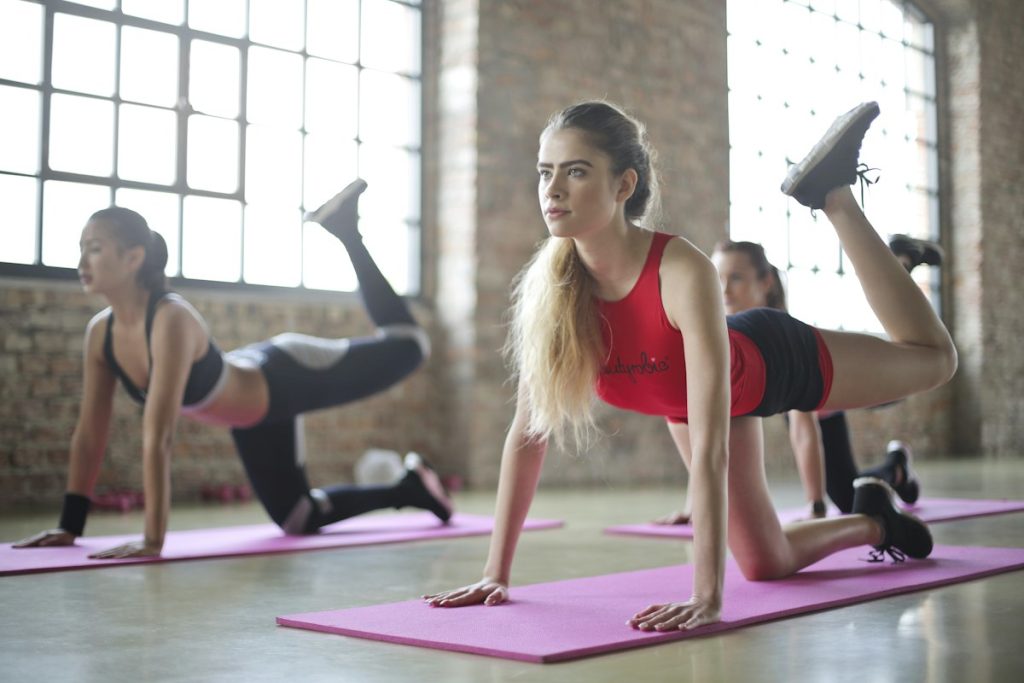
An objective analysis of the fundamentals of this discipline, its physiological adaptations, proven benefits, and the profiles it can add the most value to.
Created in the early 20th century by Joseph Pilates under its original name of Contrology, Pilates is far more than a series of stretches on the floor. It is a scientific method of neuromuscular re-education designed to restore skeletal balance, strengthen the deep stabilizing musculature, and release the tensions that compress the spine.
For those who spend hours sitting in front of a computer, suffering from stiff shoulders, a strained back, or recurring headaches, Pilates often marks a genuine turning point in their quality of life.
1. The 6 Essential Principles of Contrology
- The Core (Powerhouse): Every movement originates in the deep musculature of the abdomen (transverse abdominis), the pelvic floor, the glutes, and the lower back.
- Concentration and control: There are no abrupt movements or bouncing; every millimeter of the trajectory is guided by mental focus.
- Precision: Fewer repetitions executed with impeccable technique rather than dozens of careless ones.
- Intercostal diaphragmatic breathing: Oxygenates the blood, relaxes clavicular tension, and accompanies the rhythm of contraction.
- Flow: Smooth, harmonious transitions between positions.
2. Proven Therapeutic Benefits
- Relief from tension headaches and neck contractures: Re-educating the shoulder girdle and decompressing the cervical spine eliminate the muscle spasms that radiate pain toward the head.
- Disc decompression and lumbar health: Strengthening the transverse abdominis creates a kind of natural anatomical girdle that reduces pressure on the L4-L5 and L5-S1 intervertebral discs.
- Dramatic improvement in posture: It aligns the pelvis in a neutral position and corrects the forward head posture typical of continuous mobile phone and screen use.
- Active flexibility: It lengthens the musculature while maintaining tone and muscle control at the end ranges of motion.
«In 10 sessions you’ll feel the difference; in 20 sessions you’ll see the difference; and in 30 sessions you’ll have a completely new body.»
Joseph Pilates
3. Who Benefits Most, and What Are Its Limits?
Ideal profile: People with chronic lower back pain, herniated discs in a non-acute phase, neck pain, postpartum women, people with reduced mobility, or athletes who need core stability.
Honest limitations: Its cardiovascular demand is low, and it does not generate enough progressive overload to induce noticeable muscle hypertrophy. In addition, some people find it mentally monotonous, or expensive if practiced on Reformer machines.
The Trebellos Verdict
Pilates is one of the most effective therapeutic and preventive tools that movement medicine has developed. As a stand-alone workout it may fall short in calorie burn and maximal strength, but as a complement or a reset discipline for a stiff, aching body, it is simply irreplaceable.