
This article is part of our series of objective nutritional analyses, contrasting biological evidence with popular promises.
Unlike restrictive diets that impose lists of forbidden foods or unbreakable eating windows, the so-called anti-inflammatory diet is not a regimen with a start and end date, but a comprehensive pattern of nutrition. Its goal is to combat what modern medicine calls chronic low-grade inflammation, the silent biological process that underlies the vast majority of the metabolic diseases of our time.
Increasingly backed by clinical trials and championed by longevity specialists, this approach salvages the best of the traditional Mediterranean diet and complements it with the latest discoveries on microbiota and oxidative stress.
1. What is chronic low-grade inflammation?
Inflammation is not an enemy in itself. Acute inflammation is a vital response of the immune system: in the face of a wound or a bacterial infection, white blood cells rush to the rescue, generating heat, swelling and redness to heal the tissue.
The problem arises when that alarm never switches off. A diet saturated with refined sugars and oxidized oils, combined with a sedentary lifestyle and chronic stress, keeps the immune system in a permanent state of alert. This «slow burn» produces no immediate, obvious pain, but over the years it damages the vascular endothelium, disrupts glucose regulation, accelerates tissue aging (inflammaging) and causes fatigue and chronic brain fog.
2. The pillars of the anti-inflammatory pantry
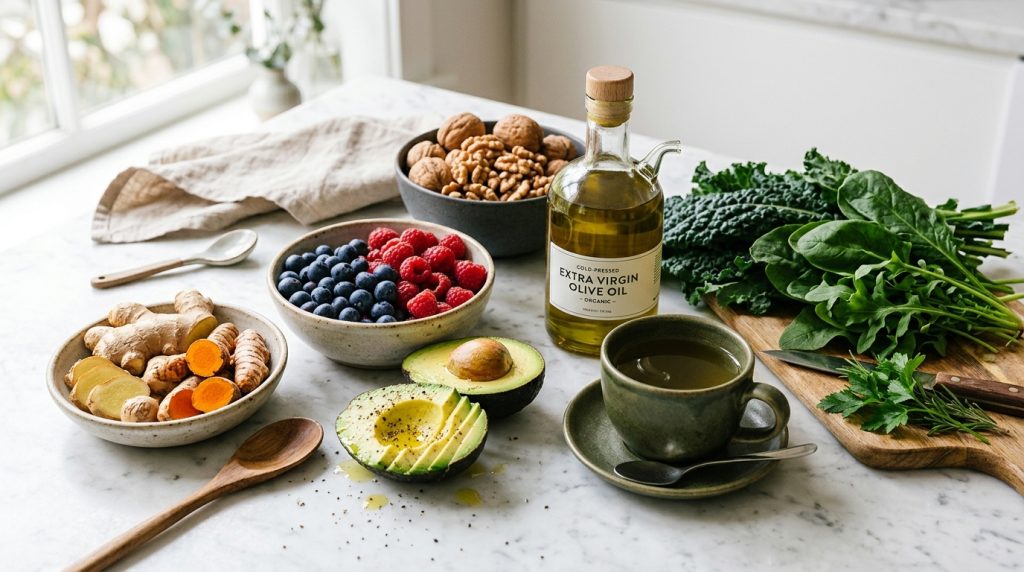
Building an anti-inflammatory plate is based on prioritizing foods with a high concentration of antioxidants, phytochemicals and essential fatty acids:
- Extra virgin olive oil (EVOO): The undisputed king of fats. It contains oleocanthal, a polyphenol whose mechanism of action inhibits the pro-inflammatory enzymes COX-1 and COX-2 in a manner analogous to low doses of ibuprofen.
- Small oily fish rich in Omega-3: Sardines, mackerel, anchovies and salmon provide EPA and DHA (which can also be supplemented with concentrated omega-3 capsules using Myprotein code DAVID-R495F), fatty acids that generate resolvins and protectins, the molecules responsible for switching off the inflammatory cascade.
- Berries and red fruits: Blueberries, blackberries, raspberries and cherries contain anthocyanins, powerful flavonoids that neutralize reactive oxygen species and protect the vascular walls.
- Cruciferous and dark leafy greens: Broccoli, kale, arugula and spinach provide sulforaphane and folates that stimulate the endogenous antioxidant pathways mediated by Nrf2.
- Therapeutic spices and phytotherapy: Turmeric combined with piperine (such as the high-absorption turmeric extracts on Amazon or the natural joint remedies from Salud Teresa Pons) and fresh ginger.
- Fermented foods: Artisanal kefir, unpasteurized sauerkraut, kimchi and quality yogurt to nourish and diversify the gut microbiota.
«Eating anti-inflammatory does not mean depriving yourself of pleasure; it means filling your pantry with intense colors, aromatic spices and noble fats that work in favor of your cells.»
3. What truly switches inflammation off and on
For beneficial foods to unleash their full potential, it is essential to reduce the main drivers of systemic inflammation:
- Constant glycemic spikes: Added sugar, soft drinks and refined flours cause hyperinsulinemia and advanced glycation of proteins (AGEs).
- Trans fats and overheated seed oils: Industrial fried foods in sunflower, corn or modified palm oils, rich in oxidized pro-inflammatory omega-6.
- Regular alcohol consumption: It increases intestinal permeability and subjects the liver to continuous metabolic stress.
4. Practical table: The anti-inflammatory traffic light
| Category | 🟢 Prioritize daily | 🔴 Minimize or avoid |
|---|---|---|
| Fats | EVOO, avocado, walnuts, flax seeds | Margarines, refined vegetable oils, fried foods |
| Proteins | Oily fish, free-range eggs, legumes | Ultra-processed meats, commercial cold cuts |
| Vegetables | Cruciferous, berries, spinach, garlic | Industrial juices, battered vegetables |
| Drinks | Water, matcha green tea, herbal teas | Sugary soft drinks, excess alcohol |
The Trebellos verdict
The anti-inflammatory diet is not a passing fad with an expiration date; it is simply a return to eating in a way that is biologically congruent with our species. It is sustainable for a lifetime, delicious, varied, compatible with any social event and backed by the most solid scientific evidence. If you had to choose only one nutritional approach to accompany you over the coming decades, this should be the first on your list.
Transparency notice: This article contains recommendation links affiliated with partner programs (Amazon, Myprotein and TradeTracker). As an Amazon Associate, I earn from qualifying purchases. If you decide to purchase any product through these links, this site may receive a small commission at no additional cost to you, helping to support the technical outreach of the project.