
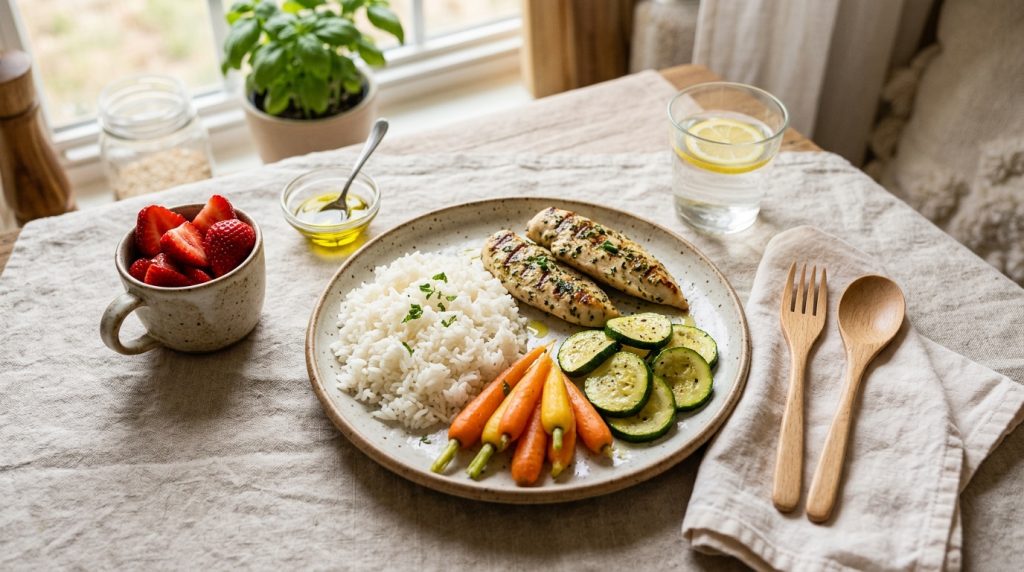
A practical guide based on research from Monash University for managing Irritable Bowel Syndrome (IBS) and bacterial overgrowth (SIBO). A traffic-light classification and structured phases that do not compromise the diversity of the microbiota.
The term FODMAP is the acronym for Fermentable Oligosaccharides, Disaccharides, Monosaccharides, and Polyols. These are a group of short-chain carbohydrates and sugar alcohols that are poorly absorbed in the small intestine and rapidly fermented by bacteria in the colon, producing gas, bloating, abdominal pain, and altered bowel habits in people with visceral hypersensitivity.
As we already discussed in our clinical guide on the low-FODMAP diet and its application in SIBO, this protocol is neither a lifelong diet nor a lifestyle: it is a temporary diagnostic and therapeutic tool structured in three essential phases to identify specific intolerances and restore calm to the digestive tract.
1. The Three Phases of the Monash University Protocol
- Phase 1: Strict Elimination (2 to 6 weeks): All foods with a high FODMAP load are replaced with green-light alternatives. The goal is to calm inflammation in the mucosa and reduce symptoms below a measurable baseline threshold. It should never be extended beyond 6 to 8 weeks, to avoid causing dysbiosis through starvation of beneficial bacteria (especially Bifidobacteria).
- Phase 2: Guided Reintroduction by Family (6 to 8 weeks): While maintaining the baseline low-FODMAP diet, a single FODMAP family is tested in isolation (e.g., fructose with honey or mango, lactose with whole milk, fructans with garlic or wheat, sorbitol with avocado) over 3 consecutive days with an increasing dose, followed by 2 to 3 days of rest (washout) to assess individual tolerance thresholds.
- Phase 3: Personalization and Long-Term Maintenance: All well-tolerated foods are reincorporated, and portion limits are set only for those that triggered pain or gas, recovering maximum dietary variety and social flexibility.
2. Traffic-Light Food Table: Green vs. Red
| Food Group | 🟢 Green Light (Allowed / Low doses) | 🔴 Red Light (Avoid in Phase 1 / High in FODMAPs) |
|---|---|---|
| Vegetables | Spinach, zucchini, carrot, cucumber, green beans, lettuce, ripe tomato, potato, and eggplant. | Garlic, onion, leek, artichoke, asparagus, cauliflower, and mushrooms. |
| Fruits | Slightly unripe banana, strawberries, blueberries, kiwi, mandarin, orange, and grapes. | Apple, pear, watermelon, mango, cherries, peach, plums, and dates. |
| Grains and Tubers | White and brown rice, gluten-free oats, quinoa, buckwheat, corn, and potatoes. | Wheat, rye, barley, spelt, and traditional derivatives (regular bread, white pasta, cookies). |
| Legumes | Well-rinsed canned lentils (up to 45g) and rinsed canned chickpeas (up to 40g). | Dried lentils, home-cooked chickpeas, white beans, broad beans, and whole soybeans. |
| Dairy and Substitutes | Lactose-free dairy, aged and semi-cured cheeses (Parmesan, Manchego, cheddar), and almond milk. | Whole or skimmed cow’s/goat’s milk, conventional yogurt, ice cream, and soft/fresh cheeses (ricotta). |
| Proteins | Fish, fresh white and red meats, eggs, and firm tofu (pressing removes the fructans in the water). | Cold cuts with added garlic or onion, commercial marinated meats, and silken tofu. |
| Fats and Seasonings | Extra virgin olive oil, garlic-infused oil (FODMAPs are not fat-soluble), ginger, and oregano. | Commercial sauces with garlic/onion powder, honey, high-fructose corn syrup, and polyol sweeteners (xylitol, maltitol, sorbitol). |
3. The Great Garlic-Flavored Oil Trick
Garlic and onion are the hardest seasonings to eliminate from Mediterranean cuisine because of their abundance of fructans. However, fructans are water-soluble carbohydrates (they dissolve in water) but completely insoluble in fats.
This means you can sauté several crushed garlic cloves in extra virgin olive oil over low heat, remove all the solid garlic pieces, and use that infused oil for cooking: you’ll get 100% of garlic’s fat-loving aromatic compounds with zero grams of fermentable FODMAPs in your gut.
4. Common Mistakes You Should Avoid
- Cumulative effect (Stacking): Eating four green-light foods in the same meal can add up small traces of the same family and exceed the intestinal fermentation threshold. Space out fruits throughout the day.
- Believing it’s a weight-loss diet: The protocol does not aim for a caloric deficit or body fat loss. To manage your body composition sustainably, check out our daily calorie expenditure calculator and the US Navy body fat calculator.
- Eliminating fiber entirely: If you remove FODMAPs and don’t consume chia seeds, oats, spinach, or carrots, you’ll worsen constipation and motility.
The Trebellos Verdict
The FODMAP protocol is a scalpel of clinical precision, not a perpetual dietary doctrine. Used within its three-phase structure, it offers relief to more than 70% of patients with irritable bowel syndrome and allows you to identify with surgical accuracy which specific foods disagree with you, giving you back the freedom to eat without fear or bloating.