
A rigorous analysis grounded in medical evidence, physiology, and biomechanics to understand how the body works and apply preventive guidelines on a scientific basis.
We spend roughly a third of our lives asleep, and yet the actual quality of our rest remains one of the most neglected dimensions of modern health. Simply tallying the raw number of hours spent in bed is not enough: true cellular, metabolic, and immunological regeneration depends on the continuity, physiological architecture, and depth of sleep.
Sleep Efficiency vs. Time in Bed
In sleep medicine, sleep efficiency is defined as the percentage of time in bed effectively spent asleep (total sleep time divided by total time in bed). An efficiency above 85% is considered healthy; below that figure, a person experiences unconscious microawakenings, fragmented rest, and a sustained deficit of the restorative stages (slow-wave stage N3 and REM stage).
The Environmental Variables of the Bedroom
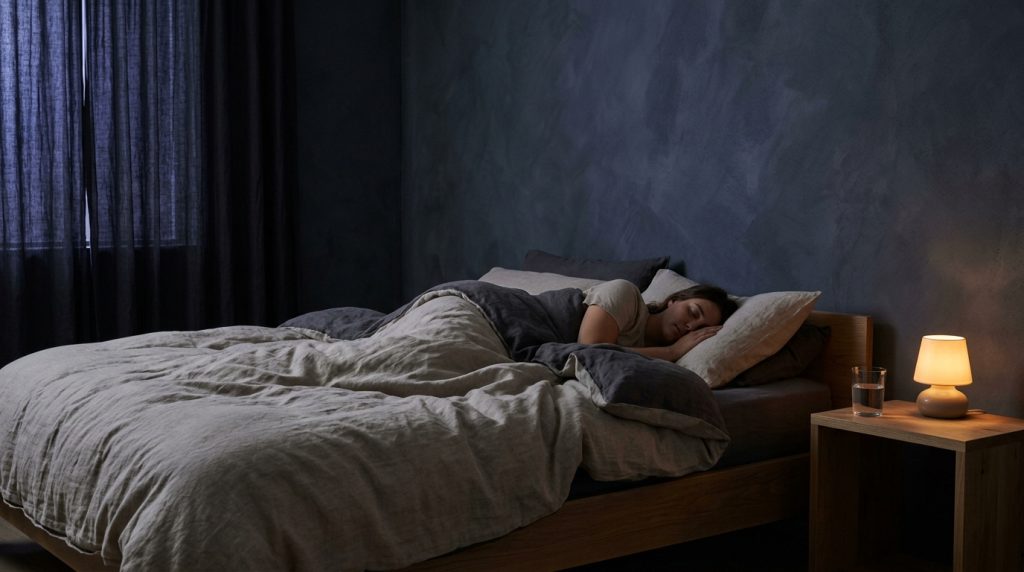
Biologically, the bedroom should function like a “cave”: dark, cool, and quiet. The interaction between the physical environment and our thermoreceptors and photoreceptors directly modulates nighttime hormone secretion:
- A Cool Ambient Temperature (17 °C – 19 °C): The circadian rhythm of core body temperature undergoes a physiological drop during the night. An overly warm bedroom prevents this thermal decline, doubling nighttime awakenings and suppressing the duration of deep slow-wave sleep.
- Absolute Photometric Darkness: If outside brightness or residual light enters your room, using a 100% blackout sleep mask on Amazon protects the natural secretion of melatonin. Even faint light intensities (such as the LED indicators on chargers or streetlamps filtering through thin curtains) can penetrate the eyelids and stimulate the intrinsically photosensitive retinal ganglion cells (ipRGCs), suppressing melatonin by up to 50%. Using blackout blinds or ergonomic sleep masks is one of the most cost-effective interventions.
- Acoustic Control and Pink Noise: Unpredictable sounds activate the sympathetic nervous system even if they do not fully wake the person. In noisy urban environments, using white or pink noise generators dampens sound peaks and stabilizes the brain’s delta waves.
Nutrition and Substrates for Rest
The processes of digestion and food-induced thermogenesis interfere directly with sleep architecture if the appropriate windows are not respected:
- The Pre-Sleep Fasting Window (2-3 hours): Eating large meals or foods rich in refined sugars shortly before bed raises core body temperature and forces gastrointestinal metabolic activity, delaying the onset of deep sleep.
- The Role of Magnesium: This mineral acts as a cofactor in the binding of the inhibitory neurotransmitter GABA to its brain receptors. Highly bioavailable forms such as Hivital’s pure magnesium bisglycinate or magnesium malate contribute to peripheral muscle relaxation and facilitate the onset of slow-wave sleep.
- The Myth of Alcohol as a Sleep Aid: Although alcohol acts as a short-term sedative that speeds up falling asleep, it completely destroys the architecture of the second half of the night. It blocks REM sleep, worsens apneas by excessively relaxing the oropharyngeal musculature, and causes nighttime dehydration.
Super Magnesium with Vitamin B Complex (SimplySupplements)
A concentration of elemental magnesium combined with B-group vitamins to support GABA synthesis, neuromuscular relaxation, and deeper slow-wave sleep.
* Official affiliate link via TradeTracker (SimplySupplements). GMP-certified supplementation at no extra cost to you.Detecting Obstructive Sleep Apnea (OSA)
Millions of people live with chronic daytime fatigue without realizing they suffer repeated micro-asphyxiations during the night. Clinical signs such as loud snoring, waking with a dry mouth or shortness of breath, morning headaches, and drowsiness while driving fully justify consulting a Sleep Unit for an ambulatory respiratory polygraphy test.
“Sleep quality does not begin the moment you get into bed, but with the very first ray of light you receive when you wake up in the morning.”
Trebellos · The Science of Rest and Whole Health
Transparency notice: This article contains recommendation links tied to affiliate programs (Amazon, Myprotein, and TradeTracker). As an Amazon Associate, I earn from qualifying purchases. If you choose to buy any product through these links, this site may receive a small commission at no additional cost to you, helping to support the project’s technical outreach.