
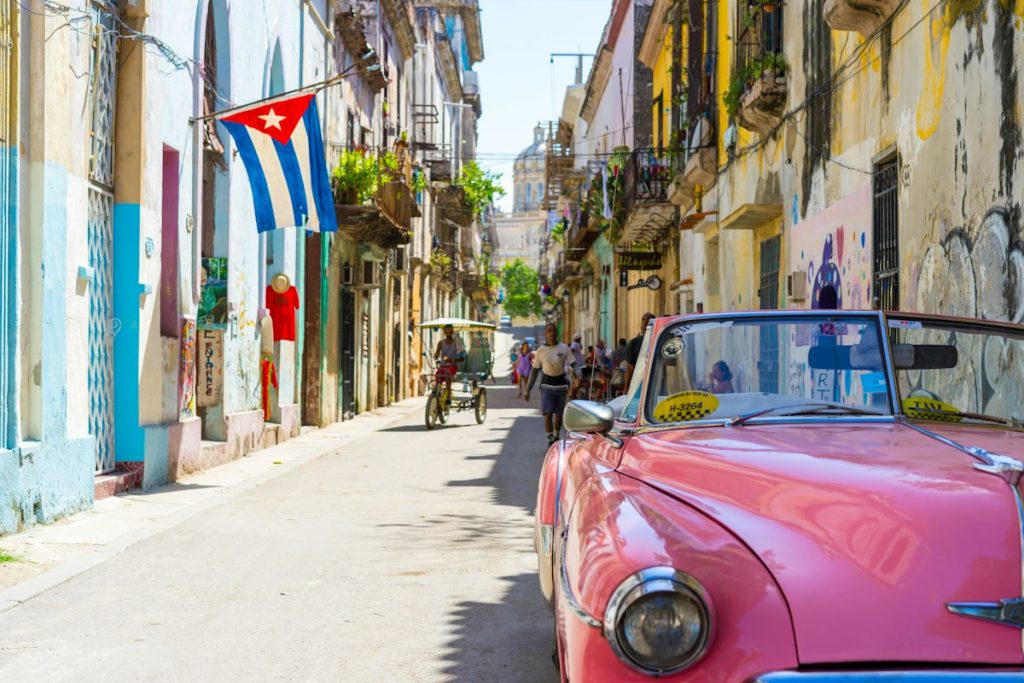
An objective analysis with contrasting itineraries, transport logistics, an approximate budget, native cuisine and practical keys to making the most of your trip with sound judgement.
Frozen in a uniquely cinematic atmosphere, Cuba is the largest of the Antilles and a destination that leaves no one indifferent. Its pastel-toned colonial façades, the classic 1950s cars cruising along the Malecón and the son music that spills spontaneously from every corner make up an unrepeatable universe.
Travelling to Cuba calls for an open attitude, empathy and the ability to adapt. It is not a conventional consumer destination, but a profound human experience in which direct contact with the local population is the trip’s greatest treasure.
1. A Classic Itinerary Across the West and Centre of the Island (10 to 14 days)
To grasp Cuba’s diversity, a well-balanced route links urban history, lush nature and the Caribbean coastline:
- Havana (3-4 days): The magnetism of its four colonial squares in Old Havana, the National Capitol, a classic convertible ride through Vedado and Miramar, and nighttime gatherings feeling the breeze on the sea wall of the Malecón.
- Viñales Valley (2 days): A unique karst landscape with limestone mogotes, traditional tobacco plantations worked with oxen and caves such as the Cueva del Indio. Ideal for horseback rides or rural hiking.
- Cienfuegos (1 day): The “Pearl of the South,” a town of neoclassical layout founded by French settlers, with its stately Paseo del Prado and the Palacio de Valle in Punta Gorda.
- Trinidad (2-3 days): A living colonial monument and UNESCO World Heritage Site. Cobbled streets closed to traffic, grand mansions with wrought-iron grilles, the Valle de los Ingenios and open-air salsa nights on the steps of the Casa de la Música.
- Beaches and Cays (2-3 days): Disconnect on the white sands and calm waters of Cayo Santa María or Playa Ancón to round off the trip facing the Caribbean Sea.
2. Staying in Casas Particulares: The Soul of the Trip
As an alternative to state-run hotels, the most enriching and ethical option is to sleep in casas particulares (authorised family homes bearing a blue sign on the façade). It lets you talk directly with your hosts, understand everyday Cuban life, enjoy hearty breakfasts with fresh tropical fruit and directly support the economy of local families.
3. Essential Preparations and Logistical Particularities
To avoid setbacks during your stay, it is essential to consider these factors before flying:
- Cash: Bring euros in cash, in clean notes in good condition. ATMs are scarce, bank cards issued by institutions with a US parent company do not work, and the dual exchange rate makes cash the usual means of payment.
- A well-stocked first-aid kit: The shortage of medicines in local pharmacies is severe. Take paracetamol, ibuprofen, mosquito repellent, anti-diarrhoea medication, plasters and any necessary long-term treatment with you.
- Internet connectivity: Buy a local ETECSA SIM card or data packages at official outlets. The signal can be intermittent, which makes for a perfect opportunity to practise a healthy digital detox.
- Visa and insurance: You need a tourist card (visa) issued by agencies or consulates, as well as travel insurance with mandatory medical cover to enter the country.
4. Practical Summary and Destination Fact Sheet
| Factor | Key detail | Practical recommendation |
|---|---|---|
| Recommended days | 10 to 14 days | Allows you to combine Havana, Viñales, Cienfuegos, Trinidad and a Caribbean cay. |
| Best time to go | November to April (dry winter) | Moderate warm temperatures and low humidity; avoid the hottest and hurricane months (Jul-Oct). |
| Budget | Mid-range (€60 – €100 / day per person) | The casas particulares and paladares (private restaurants) offer excellent value. |
| Getting around | Collective taxis or Viazul buses | Arranging shared taxis with the owners of the casas particulares saves time and waiting. |
| Public safety | High for travellers | It is a safe country to wander around; you just need to watch out for hustlers (jineteros) in tourist areas. |
«Cuba is not to be judged by the frameworks of consumer society; it is felt in the rhythm of a guitar in a colonial square and in the immense generosity of those who share everything they have.»