
An objective analysis with tried-and-tested itineraries, transport logistics, a ballpark budget, local cuisine and practical tips to get the most out of your trip with complete confidence.
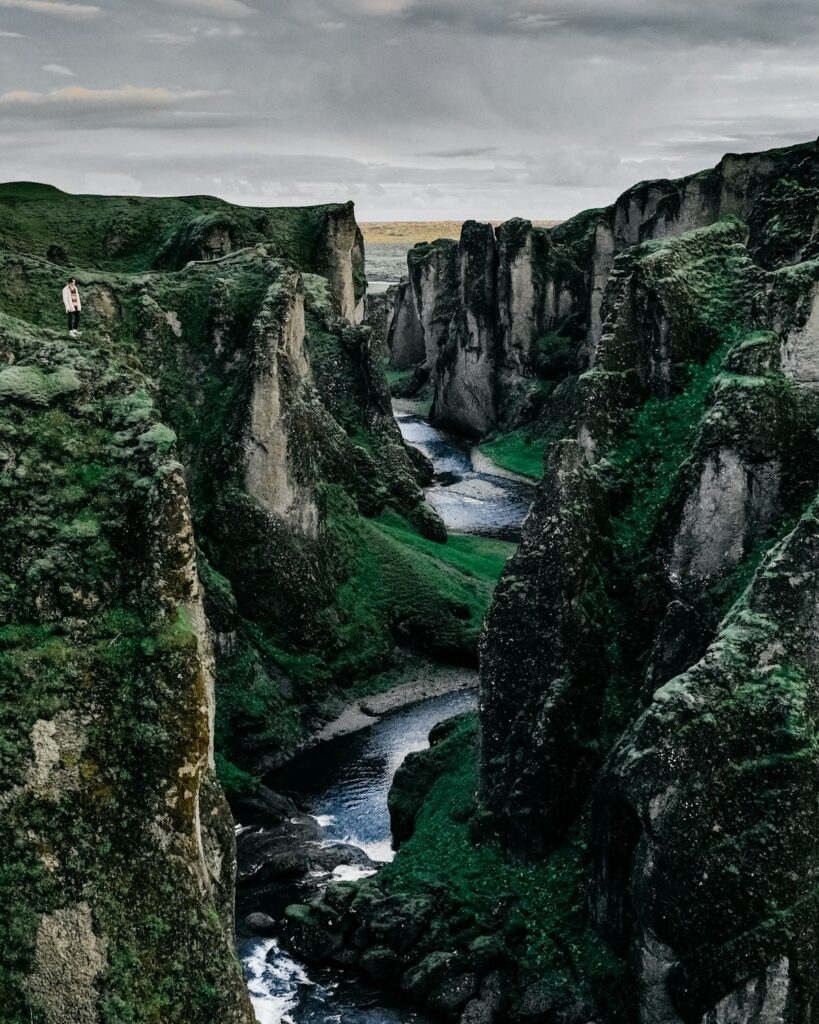
Set at the boundary between the North Atlantic and the Arctic Ocean, Iceland is a living geological laboratory where the elements collide relentlessly: volcanoes capped by glacial ice sheets, beaches of black volcanic sand, mossy lava fields and waterfalls with thundering flows.
It is the ultimate destination for lovers of untamed nature and road trips, where the landscape changes its face every few kilometres, reminding us of the true scale of the planet against the smallness of humankind.
1. The legendary Ring Road (Route 1): The great circular journey
The backbone of the trip is Route 1, a 1,332-kilometre paved road that circles the entire island and provides access to its most famous landmarks:
- The Golden Circle: The most popular excursion from Reykjavík. It takes in Thingvellir National Park (the tectonic rift between Eurasia and North America), the Geysir geothermal area (with the eruptions of the Strokkur geyser) and the golden Gullfoss waterfall.
- The South Coast: An uninterrupted succession of wonders: the Seljalandsfoss waterfall (which you can walk behind its curtain of water) and Skógafoss; the black sand beach of Reynisfjara with its basalt columns; and the Vatnajökull glacier alongside the Jökulsárlón glacier lagoon with its floating icebergs.
- The Eastfjords: Tranquil landscapes, solitary bays and scenic roads far from the tourist hotspots.
- The volcanic North: Lake Mývatn with the sulphurous fumaroles of Hverir, the lava formations of Dimmuborgir and Dettifoss, the most powerful waterfall in Europe.
- Snaefellsnes Peninsula: Known as “Iceland in miniature” for packing in fjords, lava fields, beaches and the emblematic Mount Kirkjufell.
2. Campervan vs. rental car with hotels
Renting a heated campervan is the option favoured by thousands of travellers: it grants immense logistical freedom to sleep at official campsites scattered across the island and saves substantial costs on fixed accommodation. If you prefer a car or a 4×4 SUV, you will need to book hotels or guesthouses months in advance due to the limited hotel capacity outside the capital.
3. Summer of the midnight sun vs. winter of the Northern Lights
The time of year completely transforms the experience:
- Summer (June to August): 20 to 24 hours of continuous daylight, mild temperatures (10–15°C), the opening of the interior tracks (F-roads) and puffins present on the cliffs.
- Winter (November to March): Dark Arctic nights ideal for chasing the Northern Lights, visitable blue ice caves within the glaciers and snow-covered landscapes, though with demanding weather and intense winds.
4. Practical summary and destination fact sheet
| Factor | Key detail | Practical recommendation |
|---|---|---|
| Minimum days | 10 to 12 days | The essential amount of time to complete the Ring Road calmly and without rushing at the wheel. |
| Vehicle | Car (Route 1 in summer) / 4×4 (winter or F-roads) | Check road conditions daily at vegagerdin.is and alerts at safetravel.is. |
| Budget | High (€120 – €200 / day per person) | Shop at Bónus or Krónan supermarkets and cook your own meals to cut costs considerably. |
| Clothing | Layering system (Gore-Tex windproofs) | Technical waterproof clothing is essential; umbrellas are useless against the Icelandic wind. |
| Hot springs | Natural pools and local baths | Alternatives to the Blue Lagoon: Vök Baths, the Secret Lagoon or the municipal hot-water pools. |
“You don’t visit Iceland to relax in a hammock, but to marvel at the living power of a planet that is still sculpting itself.”