
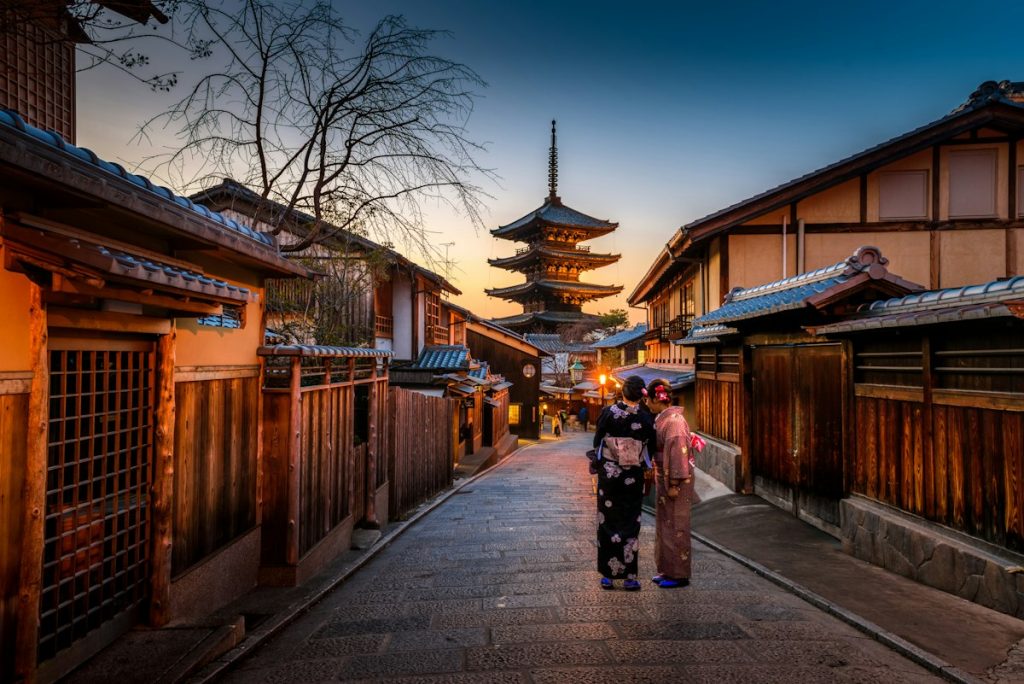
An objective analysis with tried-and-tested itineraries, transport logistics, a ballpark budget, local cuisine, and practical tips for making the most of your trip with sound judgment.
Few countries in the world make such a resounding visual and cultural impact as Japan. The Japanese archipelago has perfected a harmonious coexistence between reverential respect for its ancient traditions and the most cutting-edge technology on the planet.
Travelling to Japan is not just about gazing at landscapes or centuries-old temples; it is about experiencing a social order rooted in civic-mindedness, courtesy (omotenashi), the immaculate cleanliness of its streets, and a cuisine that elevates every ingredient to the level of a work of art.
1. The classic itinerary for a first visit (14 to 21 days)
For a first trip, the essential route follows the central corridor of the island of Honshu, linking the country’s two great souls:
- Tokyo (4-5 days): The endless megalopolis. From the futuristic hustle and bustle of Shibuya and Shinjuku to the electronics of Akihabara, the serenity of the Meiji Shrine, and the traditional flavour of the Asakusa district.
- Kyoto (3-4 days): The cultural and historical heart. It is home to more than two thousand temples and shrines, among them the Golden Pavilion (Kinkaku-ji), the thousands of vermilion torii gates of Fushimi Inari-Taisha, and the cobbled lanes of Gion with their tea houses.
- Nara (1 day): The former imperial capital a short distance from Kyoto, famous for the great bronze Buddha of the Todai-ji temple and its hundreds of free-roaming sika deer.
- Osaka (2 days): The casual culinary mecca. Known for its lively nightlife in Dotonbori, its neon signs, and its historic castle.
- Hiroshima and Miyajima (2 days): Historical reflection at the Peace Memorial Park and the insular magic of Miyajima with the floating torii of the Itsukushima Shrine.
- Recommended rural getaways: Takayama and Shirakawa-go in the Japanese Alps, or Hakone with its views of Mount Fuji and hot spring baths (onsen).
2. Logistics and transport: Getting around with pinpoint precision
Japan’s rail network is one of the most efficient on the planet. Following the recent fare increases for the national JR Pass, it is worth calculating in advance using route calculators whether it pays off to buy one, or whether it is cheaper to purchase individual point-to-point tickets for the bullet trains (Shinkansen) or to use regional passes.
For urban travel on the metro and commuter trains, contactless prepaid cards (Suica or Pasmo, also available in your phone’s digital wallet) are indispensable for passing through the ticket gates without buying physical tickets or queuing.
3. Cuisine beyond conventional sushi
Japanese cuisine is extraordinarily varied, and every region proudly champions its own speciality:
- Artisanal ramen: Rich broths simmered for 12 hours (tonkotsu in Fukuoka, miso in Sapporo, or shoyu in Tokyo).
- Izakayas: The traditional taverns where locals unwind after the working day, sharing yakitori skewers, cold beer, and edamame.
- Okonomiyaki: The Japanese omelette/pizza made with cabbage and batter cooked on a griddle, with markedly different styles between Osaka and Hiroshima.
- Conbinis (7-Eleven, Lawson, FamilyMart): 24-hour convenience stores offering fresh food, freshly packaged onigiri, and hot dishes of surprising quality at ridiculously low prices.
4. Practical summary and destination fact sheet
| Aspect | Recommended detail | Key observations |
|---|---|---|
| Ideal duration | 14 to 21 days | Allows you to combine central Honshu with a getaway to the Alps or Hakone. |
| Best time to go | Spring (Mar-May) and Autumn (Oct-Nov) | Cherry blossom season (Sakura) or autumn foliage (Momiji). Summers are very hot and humid. |
| Average budget | Medium-high (€80 – €150 / day per person) | Accommodation is the biggest expense; daily food can be very affordable. |
| Connectivity | Data eSIM or Pocket WiFi | Essential for checking timetables on Google Maps and translating signs. |
| Safety | Outstanding (near-zero crime rate) | One of the safest and most peaceful countries for travelling alone or with the family. |
Flight problems? Claim up to €600 with AirHelp
If your long-haul flight was delayed more than 3 hours, cancelled, or caused a missed connection, AirHelp handles your official compensation under European Regulation 261/2004. No upfront costs: they only charge if they recover your money.
* Official affiliate link via TradeTracker. You support our work at no extra cost to your booking or claim.«In Japan, outward order breeds inner serenity: the silence on public transport and the meticulous care in every daily gesture change the way you look at the world.»