
TRAINING GUIDE AND ANALYSIS
An objective analysis of the fundamentals of this discipline, its physiological adaptations, proven benefits, and which profiles it can add the most value to.
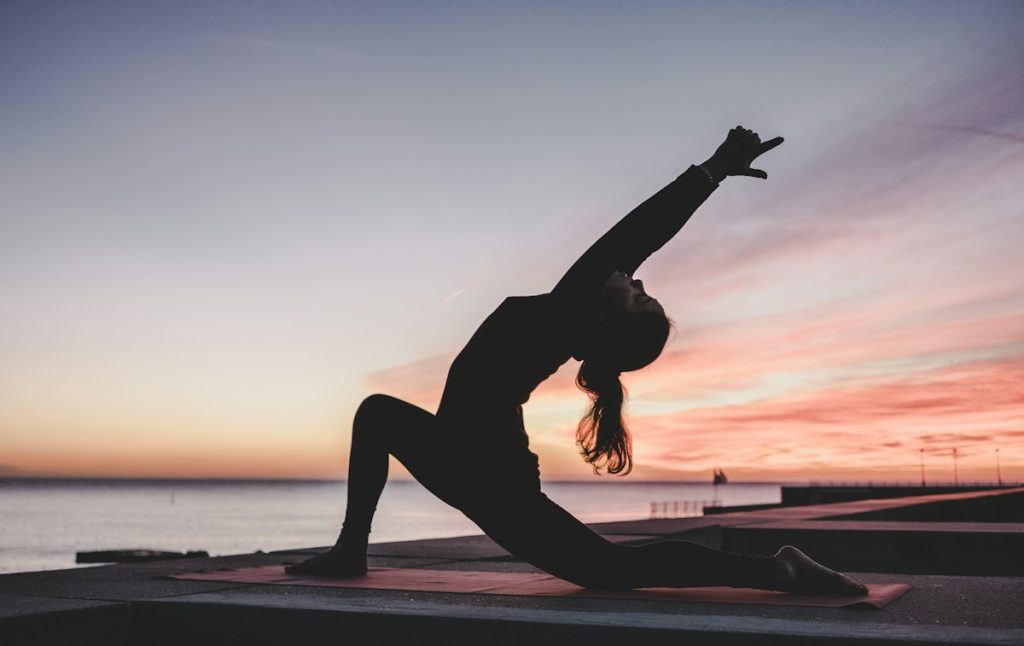
In a fast-paced society dominated by chronic cortisol, Yoga has established itself as a refuge for whole-body health. Far from the superficial image of impossible contortions, this age-old practice combines isometric strength work, joint mobility, and the regulation of the nervous system through the breath.
1. The Different Styles: From Dynamic to Restorative
- Vinyasa / Ashtanga Yoga: Flowing, physically very demanding styles in which each posture is linked to a continuous inhalation or exhalation. They burn calories and build notable muscular endurance.
- Hatha Yoga: A classic approach focused on holding postures for several breaths to understand alignment and gain stability.
- Yin Yoga: A passive, meditative style in which floor postures are held for 3 to 5 minutes, stretching the deep fascia and ligaments.
2. Physiological and Neurological Benefits
- Activation of the vagus nerve and the parasympathetic system: Prolonged exhalations lower blood pressure and curb the body’s fight-or-flight response, improving nighttime rest.
- Functional isometric strength: Holding postures such as Warrior or the forearm plank strengthens the shoulders, core, and legs without impact.
- Active hip and spine mobility: It unlocks the pelvis and improves the ranges of motion needed to lift weight or walk with ease.
The Trebellos Verdict
Yoga is the perfect counterbalance to the stress of daily life and the ideal complement for those who already train strength or impact sports. Devoting two sessions a week to it restores the elasticity you’ve lost and teaches you to breathe calmly when life gets complicated.